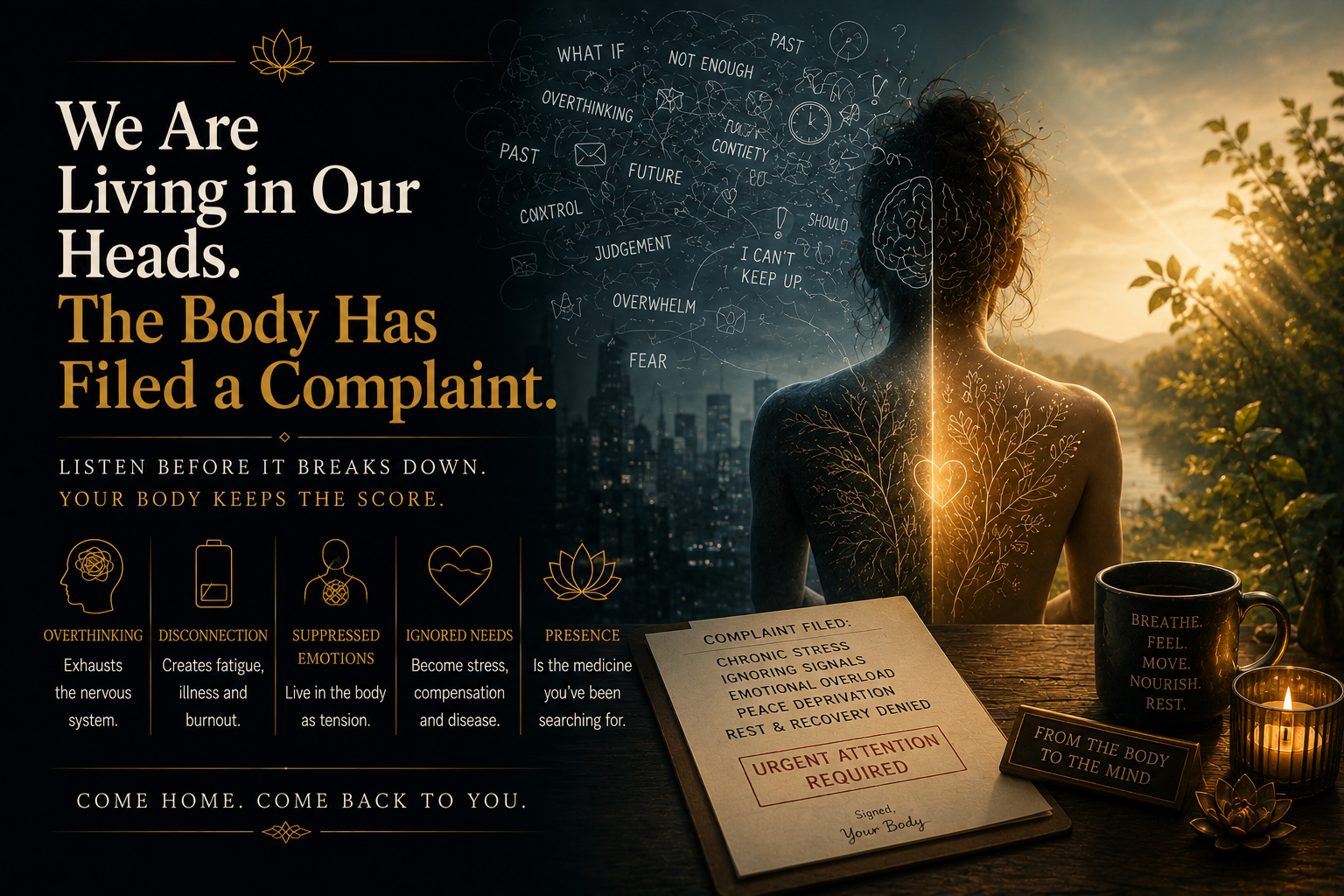
We Are Living in Our Heads. The Body Has Filed a Complaint.
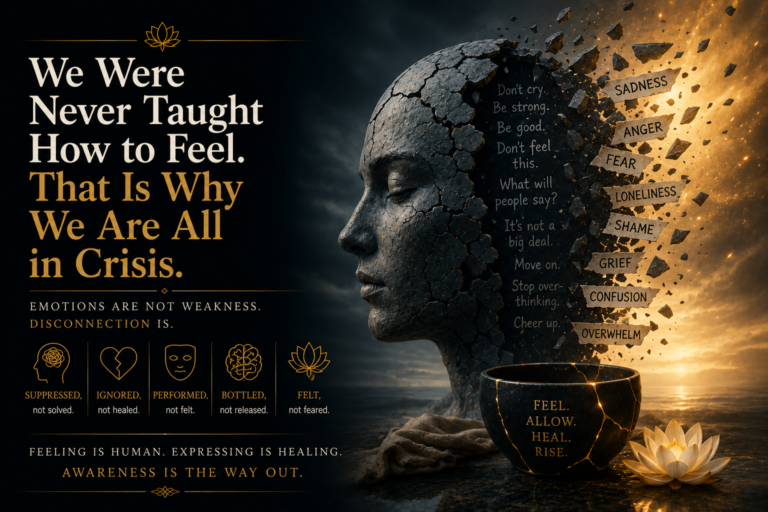
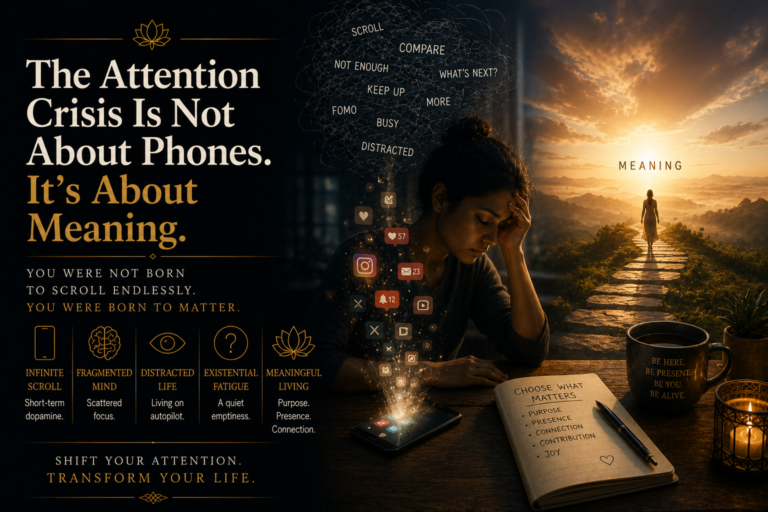
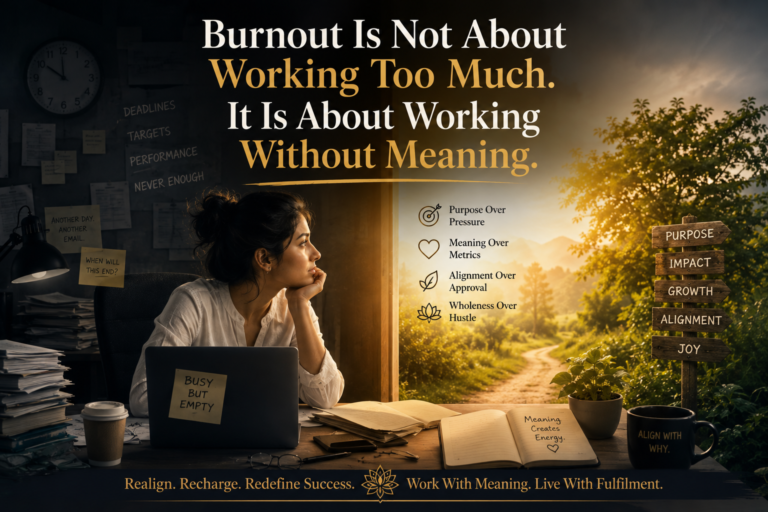
Chronic illness. Burnout. Insomnia. These are not medical problems. They are philosophical ones.
I want to say something that your doctor probably won’t tell you: most of what ails you is not a medical problem. It is a philosophical one.
Not because the pain is not real. It is absolutely real. But because the pain is, in many cases, the body’s most eloquent communication — its last resort after years of being ignored, overridden, drugged into silence, or simply not listened to at all.
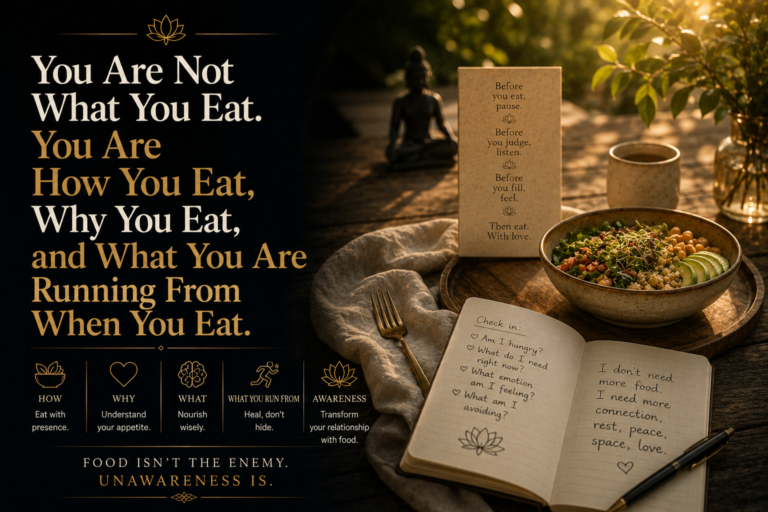
The wellness industry gives us supplements, protocols, and biohacking. The medical establishment gives us diagnoses and prescriptions. Both treat the body as a machine that has malfunctioned. Neither asks the more fundamental question: What is the body trying to say?
The Body as Intelligence
In the Indian philosophical tradition — specifically in the Pancha Kosha model that underpins my work at Wellbeing Aacharya — the physical body is not the primary body. It is the outermost sheath: Annamaya Kosha, the food body. Beneath it lies the energy body, the mental body, the wisdom body, and the bliss body. These five layers are not metaphors. They are a precise description of the nested systems of human experience — from the gross to the subtle — that any complete approach to wellbeing must address.
When your body is exhausted, your Pranamaya Kosha — your energy body — has been depleted. When you are anxious, your Manomaya Kosha — your mental body — is overwhelmed. When you are creatively dry, your Vijnanamaya Kosha — your wisdom body — has been neglected. Treat only the physical symptoms and you are rearranging furniture while the foundation cracks.
Coming Home to the Body
Kathak gave me my body back. Not by making it flexible — though it did that too. But by teaching me to inhabit it. To trust it. To listen to it as the primary instrument of my intelligence, not as a vehicle to be driven to the next commitment and refuelled with caffeine.
In every Wellbeing Aacharya programme, we begin with the body. With breath. With the radical, countercultural act of simply arriving in your physical experience — without fixing it, without judging it, without immediately trying to optimise it. Just being in it. Present. Listening.
What the body says, in that silence, is often the most important thing you will hear all year.